The five virtues of a South Sea Pearl
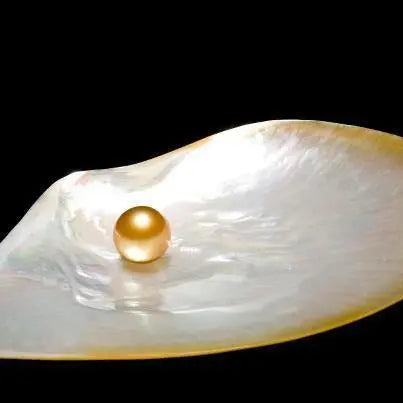
We judge every South Sea pearl on the same five virtues. Here is what each one means in practice.
- LUSTRE
Luster is the deep, almost wet shine that comes from light bouncing through many thin layers of nacre. It is the first thing we look for and the hardest to fake. A top South Sea pearl reflects sharp, clear highlights; a dull pearl looks chalky no matter how big or how round it is. Of the five virtues, this is the one that makes or breaks a pearl.
- COMPLETION
This is surface cleanliness. A pearl forms in a living oyster, so a flawless surface is genuinely rare. We grade by how many marks there are, how large, and how visible. Faint marks near the drill hole barely matter; obvious spots or ridges on the face of the pearl pull down both its beauty and its price.
- SHAPE
Shape does not change a pearl's quality, but it does move the price, because demand favors symmetry. Perfectly round and clean drop shapes are the rarest and the most sought after. Baroque and circled pearls cost less and carry more character, which many people prefer. Shape is a personal call.
- COLOR
South Sea pearls grown in the silver-lipped oyster, Pinctada maxima, come in their natural body colors: white, silver, cream and gold. None of it is dyed. White with a rose overtone is the most prized, and golden pearls from Indonesia and the Philippines are highly valued in their own right. Like shape, color comes down to taste, and the popularity of a given hue feeds into its value.
- SIZE
South Sea pearls have the thickest nacre and the largest size of any cultured pearl, usually 11mm to 16mm, because Pinctada maxima is a big oyster. Pearls over 18mm to 20mm turn up occasionally and are highly prized. Bigger usually means more valuable simply because it is rarer, but size is only one of the five virtues, never the whole story. Learn more about how South Sea pearls are graded. Pearls are measured in millimeters by width.
Leave a comment